

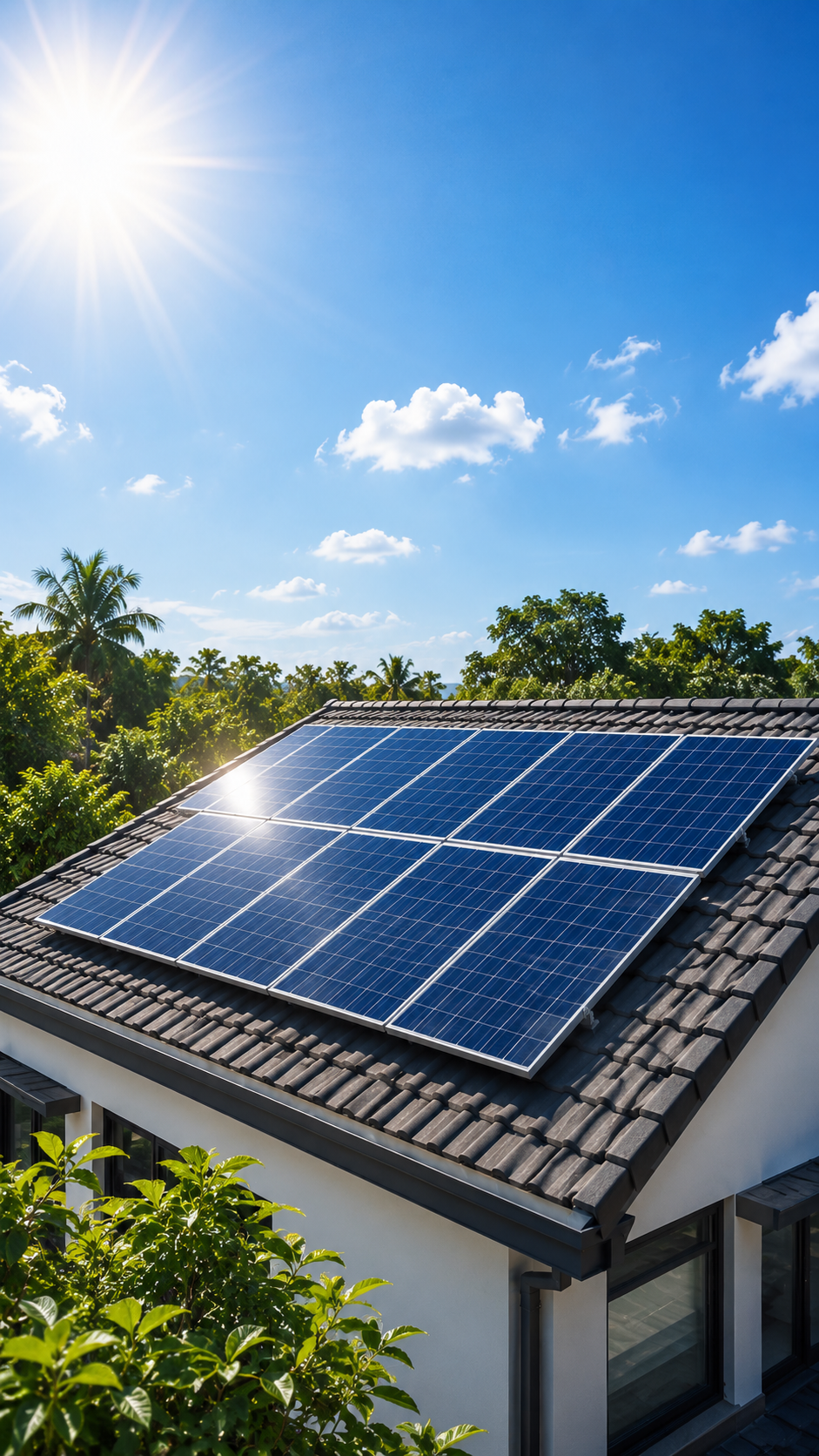
You’ve decided you want solar. Maybe your KSEB bill finally crossed a number that made you sit up, or maybe you just got tired of watching the meter spin during peak summer afternoons. Either way, the next step isn’t picking panels off a brochure — it’s a proper site survey. Skip this, or let someone rush through it, and you could end up with a system that underperforms for the next two decades. Here’s exactly what a thorough site survey should cover before anyone starts drilling into your roof.
Why the Site Survey Matters More Than People Think
A lot of homeowners in Kozhikode treat the site survey as a formality — something the installer does before sending a quote. In reality, it’s the single biggest factor determining how much power your system actually generates. Two identical panel setups can perform very differently depending on roof angle, shading, and structural condition. This is exactly why working with the top solar panel company in Kozhikode for your survey, rather than a quick walk-around from whoever’s cheapest, tends to pay for itself over the system’s lifetime.
Roof Orientation and Tilt
Kozhikode sits close to the coast, and most homes here get strong, fairly consistent sun through the year — but orientation still matters. South-facing roofs capture the most sunlight overall. East and west-facing roofs work fine too, just with a different generation curve through the day (more morning power vs. more afternoon power). A good surveyor will check your roof’s exact tilt and orientation using proper tools, not just eyeballing it, since even a few degrees can shift annual output.
Shading Patterns Through the Day — and the Year
This is where a rushed survey really shows. Shade isn’t static — a coconut tree that looks fine at noon might throw a long shadow across your panels by 4 PM, and that shadow pattern shifts again with the seasons. A proper survey checks shading at multiple points during the day, and ideally accounts for seasonal sun angle changes too, since even partial shading on one panel can drag down output for the whole string.
Roof Structural Condition
Before any panels go up, the surveyor should physically check your roof’s condition — looking for cracks, water damage, or general wear, especially on older concrete structures. Panels and mounting frames add load, and it’s far cheaper to reinforce or repair a roof before installation than to remove a working system later because the roof underneath it wasn’t sound.
Available Roof Space vs. Obstructions
Water tanks, solar water heaters, satellite dishes, and staircase headroom all eat into usable roof area. A real site survey measures the actual clear, unshaded space you have — not just your total roof footprint — and maps out where obstructions sit. This directly determines what system size is realistic for your home.
Your Electricity Consumption Pattern
The surveyor should ask for your last several months of KSEB bills, not just a rough guess of your usage. Your average monthly consumption (in units/kWh) is what determines the right system size — oversizing wastes money on capacity you won’t use, and undersizing means you’re still leaning on grid power more than necessary.
Electrical Setup and Wiring Compatibility
Your existing electrical panel, wiring condition, and available space for the inverter and distribution boxes all get checked too. This is a step people don’t think about until installation day, when it suddenly becomes a problem. A thorough survey flags upgrades needed here upfront, so there are no surprise costs mid-installation.
Net Metering and DISCOM Requirements
Net metering lets you export surplus power back to the grid and offset it against your night-time usage — a major part of what makes rooftop solar financially worthwhile in Kerala. Eligibility and paperwork can vary depending on your connection type and local KSEB office, and this is honestly where a lot of self-managed solar projects hit delays. A good site survey should flag any net metering considerations specific to your property early, not after installation.
What a Proper Survey Report Should Include
Once the survey’s done, you should walk away with more than a verbal “yes, your roof works.” A solid report includes system size recommendation, expected annual generation, shading analysis, structural notes, and an estimated payback period. If any of that’s missing, ask for it — you’re entitled to see the numbers before committing.
DIY Roof Checks vs. a Professional Survey
You can absolutely do a rough check yourself — walk your terrace at different times of day, note the shadows, check your roof direction with a compass app, pull out your old bills. It’s a useful starting point. But a professional survey goes further: precise tilt measurements, structural assessment, and generation modelling based on your exact location’s sun data. Think of the DIY check as deciding whether solar is worth exploring, and the professional survey as the step that actually gets your system sized and built correctly.
Getting a Reliable Site Survey in Kozhikode
If you’re serious about going solar, it’s worth choosing a team that treats the survey as seriously as the installation itself. Zeesonic’s rooftop solar installation service covers residential, commercial, and industrial systems across South India, with site assessments that factor in roof condition, shading, and consumption before recommending a system size — the kind of detailed groundwork you’d expect from the top solar panel company in Kozhikode rather than a quick sales visit.
Before You Book a Survey
A few things worth having ready before the surveyor arrives:
- Your last 6–12 months of KSEB bills
- Rough measurements or a photo of your roof layout
- Any known roof issues (leaks, cracks, past repairs)
- A sense of your budget range and whether you want on-grid, hybrid, or off-grid
Having these ready speeds up the process and gets you a more accurate quote on the first visit.
The Bottom Line
A rushed site survey is one of the easiest ways to end up with a solar system that underdelivers for years. Whether you’re comparing quotes or already leaning toward an installer, ask specifically what their survey process covers — roof orientation, shading through the seasons, structural condition, and consumption analysis should all be part of it. Choosing the top solar panel company in Kozhikode for this step isn’t about brand names; it’s about who actually does the groundwork properly before a single panel goes up.
FAQs
1. How long does a solar site survey usually take? For a typical residential property, a thorough survey takes anywhere from 45 minutes to a couple of hours, depending on roof size and complexity.
2. Is a site survey free? Many installers offer a free initial site survey as part of the quotation process, though this can vary — it’s worth confirming upfront.
3. Can I get a rough estimate without a physical site visit? You can get a ballpark estimate based on your electricity bills and rough roof size, but an accurate quote and system design need an actual on-site check.
4. What happens if my roof has partial shading? It doesn’t necessarily rule out solar — surveyors can often work around partial shading with smart panel placement or micro-inverters, though output may be somewhat lower in shaded sections.
5. Do I need to be present during the survey? It helps, especially to answer questions about your electricity usage and any roof issues, but it’s not strictly mandatory if someone else at home can assist the surveyor.