

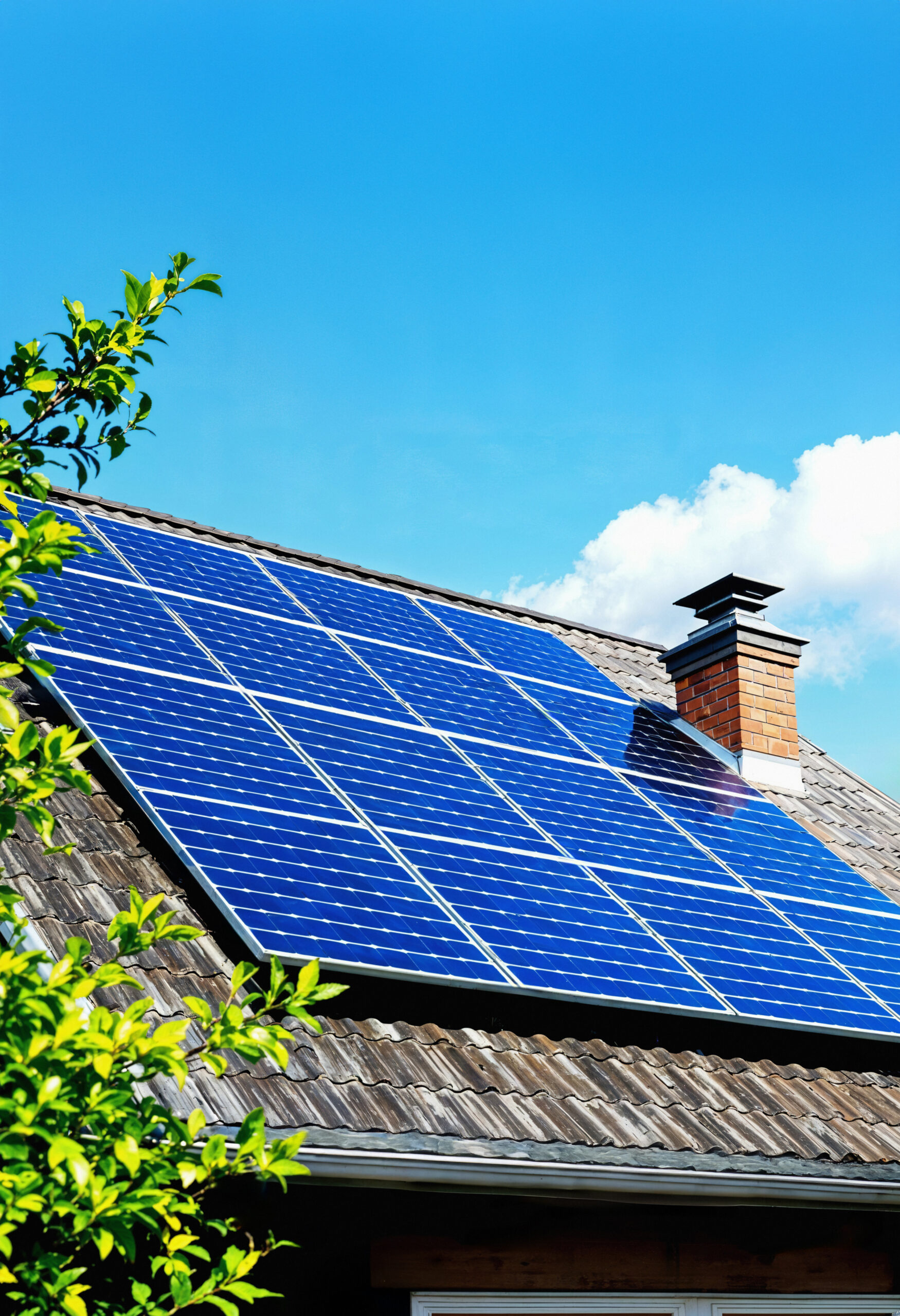
Installing solar panels is a big decision for most homeowners. You compare prices, look at different panel brands, discuss electricity savings, and finally decide to go ahead with the installation. But once the panels are on your roof, another question might come to mind, especially when the weather changes.
What happens to the panels when there’s heavy rain or strong wind?
It’s a reasonable concern. Unlike most electrical appliances, solar panels stay outdoors throughout the year. They have to deal with hot afternoons, unexpected showers, and occasional storms. You can’t simply bring them inside when the weather gets bad.
Fortunately, solar panels are designed for outdoor conditions. They’re made using materials that can handle rain, sunlight, and a certain amount of wind pressure. However, how well a rooftop solar system holds up during bad weather depends on more than the panels alone. The mounting structure, roof condition, and installation quality are equally important.
Are Solar Panels Really Strong Enough for Bad Weather?
Solar panels might look fragile because of their glass surface, but they’re much stronger than they appear.
Most modern solar panels use toughened glass to protect the solar cells underneath. They also have protective layers and a supporting frame that helps the panel withstand everyday outdoor conditions.
Before reaching the market, reputable solar panels go through tests that assess their durability. These include exposure to moisture, temperature changes, and mechanical pressure.
For example, IEC 61215 certification includes tests that help evaluate how a solar panel performs under different environmental conditions.
But that doesn’t mean solar panels are completely storm-proof. Every panel has its limits, and extremely severe weather can still cause damage.
This is why choosing a good-quality panel is important, but it’s only one part of having a reliable solar system.
How Do Solar Panels Stay Secure During Strong Winds?
If you’ve ever been on an open terrace during a windy evening, you’ll know how much stronger the wind can feel compared with ground level.
Solar panels experience that wind directly.
During strong gusts, air moving around the panels can create pressure that tries to lift them away from the roof. This is known as wind uplift.
To keep the panels secure, installers use mounting structures made up of rails, clamps, brackets, and fasteners.
These components hold the panels in place and connect them to the building.
A properly designed mounting system takes the expected wind conditions into account. It also considers the type of roof and how the structure will be attached.
Problems can arise when the mounting system isn’t suitable for the building or the fasteners aren’t installed correctly.
For example, a mounting arrangement that works well on a concrete terrace may not be appropriate for a metal-sheet roof.
The panel itself may be strong enough to handle the wind, but if the supporting structure isn’t secure, the installation can still be damaged.
That’s why the quality of the mounting system deserves as much attention as the panel brand.
Can Heavy Rain Affect Solar Panels?
Heavy rain usually isn’t a problem for properly installed solar panels.
The solar cells are protected inside the panel, and the outer materials are designed to prevent normal rainwater exposure from damaging them.
Electrical components such as connectors and junction boxes also need appropriate protection against moisture.
During rainy weather, you may notice that your solar system produces less electricity. That’s mainly because clouds reduce the amount of sunlight reaching the panels.
Solar panels can still generate power on cloudy and rainy days, although the output is usually lower than on clear, sunny days.
The bigger concern is water entering damaged electrical components or poorly sealed areas.
For example, a loose connector or damaged cable can become a problem when exposed to rain.
Roof waterproofing is another important detail.
Some mounting systems require drilling into the roof. If those holes aren’t properly sealed, rainwater may gradually enter the building.
The solar panels might continue working without any issue, but the homeowner could end up dealing with a leaking ceiling.
A good installation should protect both the solar system and the roof underneath it.
Why Your Roof Condition Matters
People often assume that if there’s enough empty space on the roof, solar panels can be installed without much difficulty.
But available space is only one part of the decision.
The roof also needs to be structurally suitable.
A house with a concrete terrace has different requirements from a factory with a metal-sheet roof. Older buildings may need additional checks before installation.
The weight of the solar panels and mounting structure must be considered, along with the forces created by wind.
This is particularly relevant for commercial buildings in Tiruppur.
Many textile and garment units have large roof areas that may be suitable for solar installations. However, the strength of the roof sheets and their supporting structure needs to be assessed before deciding on the system.
A proper roof inspection helps the installer understand what kind of mounting arrangement is suitable and whether any structural improvements are necessary.
It’s a step that shouldn’t be skipped just to finish the installation faster.
How Does Tiruppur’s Weather Affect Rooftop Solar?
Tiruppur experiences warm weather for much of the year, along with seasonal rainfall and occasional thunderstorms.
For rooftop solar systems, this means regular exposure to heat, moisture, and changing weather conditions.
Solar panels are designed with these conditions in mind, but the installation still needs to be planned according to the building and its surroundings.
A rooftop in an open area may be more exposed to strong winds than one surrounded by other buildings.
Wind pressure can also vary across different parts of the same roof. Edges and corners may experience stronger lifting forces.
These factors influence where the panels are placed and how the mounting structure is designed.
For homeowners, this isn’t something that needs to be calculated personally. It’s something the installation team should consider during the rooftop assessment.
Can Solar Panels Get Damaged or Come Loose During a Storm?
Although solar panels are built to withstand outdoor conditions, damage is still possible.
Severe winds may exceed the design limits of a system. Problems can also occur if the mounting structure is weak, the roof attachments are unsuitable, or components have deteriorated over time.
For instance, corrosion can weaken certain mounting parts if unsuitable materials are used.
Loose fasteners or damaged roof connections can also affect the stability of the installation.
These problems aren’t always visible from the ground, which is why proper installation and occasional professional inspections matter.
A solar system is expected to operate for many years. The components holding it in place should be selected with that long service life in mind.
Does Rain Help Keep Solar Panels Clean?
Rain can be helpful when it comes to removing loose dust from solar panels.
After a good shower, the glass surface may look noticeably cleaner.
However, rain doesn’t remove every kind of dirt.
Bird droppings, sticky deposits, and stubborn dust can remain on the surface. In areas near busy roads or industrial activity, dirt may also accumulate more quickly.
When enough dirt builds up, it can block some of the sunlight reaching the panels and reduce electricity generation.
That doesn’t mean solar panels need frequent washing.
Cleaning requirements depend on the location and how quickly dirt accumulates. Periodic checks can help you decide when cleaning is necessary.
It’s important to follow the manufacturer’s cleaning recommendations and avoid working on the roof during rain, thunderstorms, or strong winds.
What Should You Check Before Installing Rooftop Solar?
When comparing solar installation companies, most people focus on the panel brand, inverter, system capacity, and overall cost.
Those details are important, but it’s also worth understanding how the system will be installed.
Here are a few questions you can ask:
Is the roof suitable for solar? The installer should assess the roof’s condition and ability to support the planned system.
What mounting structure will be used? It should be appropriate for the roof type and expected wind loads.
How will waterproofing be handled? Any roof penetrations should be properly sealed.
Are the mounting materials suitable for outdoor use? Rails, clamps, and fasteners should be selected for durability.
Is maintenance support available? Knowing whom to contact if something goes wrong can be useful.
These are simple questions, but they can tell you a lot about how carefully the installation is being planned.
If you’re looking into rooftop solar installation in tiruppur, it’s worth discussing these details before finalising the project.
A rooftop solar system is a long-term investment, so the quality of the installation matters well beyond the day the panels are fitted.
What Should You Do After Strong Winds or Heavy Rain?
After a particularly heavy storm, it’s natural to wonder whether everything on the roof is still secure.
You can begin with a visual check from a safe location.
Look for anything unusual, such as panels that appear to have shifted, loose cables, or visible damage.
If your system has a monitoring app, check whether the inverter is operating normally.
A fault notification or an unexpected reduction in generation may indicate that something needs attention.
Avoid climbing onto a wet roof or touching damaged electrical equipment.
Solar panels can continue producing electrical voltage when exposed to sunlight, even if the inverter has been turned off.
If you suspect damage, contact a qualified solar technician to inspect the system.
Rooftop Solar Solutions from Zeesonic
Every rooftop has its own requirements.
A residential building may have a concrete terrace with water tanks and parapet walls, while a commercial building may have a large metal-sheet roof.
The available space, roof structure, and electricity needs all influence the design of the solar installation.
Zeesonic offers rooftop solar solutions for homes and commercial properties.
For anyone considering solar in Tiruppur, it’s important to look at the complete installation rather than focusing only on the panels.
The mounting structure, waterproofing, electrical connections, and maintenance requirements all contribute to how reliably the system performs over time.
Frequently Asked Questions
1. Can solar panels withstand strong winds?
Yes. Solar panels and their mounting structures can be designed to handle specified wind loads. Their safety depends on the system design, roof condition, and installation quality.
2. Will heavy rain damage rooftop solar panels?
Normally, no. Properly installed solar panels are designed for rain exposure, although damaged electrical components or poor waterproofing can cause problems.
3. Do solar panels work during rainy days?
Yes. They can generate electricity in rainy weather, but output is generally lower because less sunlight reaches the panels.
4. Can solar panel installation cause roof leaks?
It can if mounting points or roof penetrations aren’t sealed correctly. Proper waterproofing helps prevent leakage.
5. Should solar panels be inspected after a storm?
If the storm was severe or you notice damage or unusual performance, a professional inspection is recommended.
6. Can solar panels be installed on metal-sheet roofs?
Yes, as long as the roof and supporting structure are suitable and the mounting system is correctly designed.
Final Thoughts
Solar panels are made to stay outdoors, so normal rain and wind aren’t things you need to worry about every day.
But that doesn’t mean the installation can be taken lightly.
A strong panel needs a secure mounting structure. The roof needs to be suitable, and the electrical components must be protected from moisture.
For homeowners and businesses in Tiruppur, paying attention to these details during installation can help avoid unnecessary problems later.
The idea is to have a solar system that continues generating electricity through the changing seasons, without needing constant attention whenever the weather turns bad.