

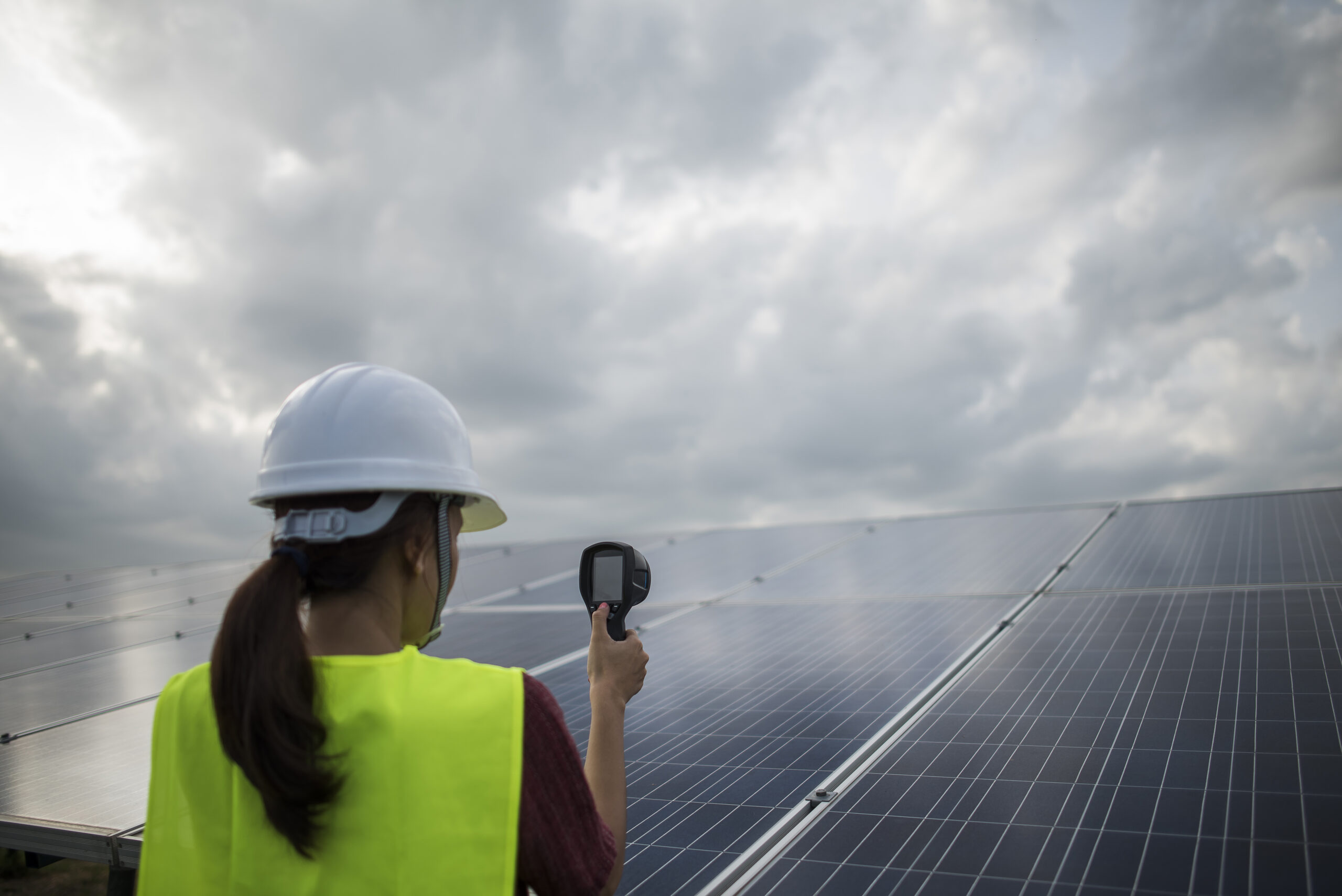
Thinking about putting solar panels on your roof? You might already be wondering how much electricity they could generate and whether they would help bring down your monthly bill. But before making a decision, there’s another question worth asking: can you get a government subsidy to help pay for the installation?
For eligible households in Tamil Nadu, financial assistance may be available through the central government’s PM Surya Ghar: Muft Bijli Yojana. Some households may also qualify for additional support under a state-level programme, depending on the rules in force.
If you’re searching for solar rooftop panels near Coimbatore, understanding these options can help you plan your budget and avoid surprises later.
The good news is that you don’t need to understand every technical detail of solar power to get started. You simply need to know the basic eligibility requirements, the application process, and what to check before choosing an installer.
What Is the Rooftop Solar Subsidy Scheme?
The PM Surya Ghar: Muft Bijli Yojana is a government scheme designed to make rooftop solar more affordable for households.
Under the scheme, eligible residential consumers can receive financial assistance towards installing a qualifying grid-connected solar system. This helps reduce the initial cost of switching to solar power.
Tamil Nadu also has a state-level rooftop solar programme. Depending on the current guidelines, some households may be eligible for additional assistance.
However, a subsidy isn’t guaranteed just because you install solar panels. Your electricity connection, equipment, installation, and application must meet the applicable requirements.
Before spending money on a system, check the latest information on the official government portals. A quick check at the beginning can help prevent problems later.
Who Can Get a Rooftop Solar Subsidy in Tamil Nadu?
Eligibility depends on more than where you live. The type of electricity connection you have and the way your solar system is installed also matter.
1. Households With an Eligible Domestic Electricity Connection
The central PM Surya Ghar subsidy is intended for eligible residential electricity consumers.
If you live in Coimbatore or elsewhere in Tamil Nadu and have a qualifying domestic electricity connection, you can check whether your household meets the scheme’s requirements.
Your electricity bill is a good place to start. Keep it handy because you’ll generally need your consumer number and connection details when registering.
It’s important to note that the residential subsidy doesn’t apply to every type of property. Shops, offices, factories, and other commercial establishments generally cannot claim the same residential assistance. Business owners should check which solar policies or financial options apply to their properties.
2. Applicants Who Meet the Personal Eligibility Rules
Applicants must meet the personal eligibility conditions specified by the scheme, including the applicable Indian citizenship requirement.
You’ll also need to provide accurate information during registration. If the details you submit don’t match your electricity records or supporting documents, the application may take longer to process.
It’s worth reviewing the current eligibility rules before you begin. That way, you’ll know what information to prepare instead of having to correct mistakes halfway through the process.
3. Homes That Meet the Electricity Utility’s Requirements
Your home must have an electricity connection suitable for the proposed installation, and the relevant electricity distribution utility must follow its approval procedures.
In Tamil Nadu, homeowners should check the current requirements of Tamil Nadu Power Distribution Corporation Limited (TNPDCL), formerly known as TANGEDCO.
Depending on your installation, you may need to submit an application, obtain technical approval, arrange the installation, and complete the required inspection and metering steps.
This is why it’s better not to rush into buying solar equipment. Installing panels without following the required procedures doesn’t guarantee that you’ll qualify for a subsidy.
4. Solar Systems That Meet the Scheme Requirements
The equipment used for your installation matters, too.
Subsidised residential systems must meet the applicable technical requirements. These can include conditions relating to solar modules, eligible vendors, system commissioning, and other programme rules.
Before choosing an installer, ask whether the proposed system meets the current subsidy requirements. A reliable provider should be able to explain this clearly.
Also, ask for a written quotation. It should show the system capacity, equipment details, installation charges, and warranty coverage so you can understand the full cost before agreeing to anything.
5. Applicants Who Complete the Required Steps
Meeting the eligibility conditions is only part of the process. You must also complete the application and installation procedures correctly.
This generally means registering through the official portal, following the required approval process, installing the system according to the scheme rules, and submitting the necessary information after installation.
The authorities then verify the application and installation before approving the subsidy.
Keep your application number, invoices, and supporting documents safe until the process is finished. They may be useful if you need to check your application status or provide additional information.
How Much Subsidy Can You Receive?
One of the first things homeowners want to know is how much financial assistance they might receive.
Under the published central PM Surya Ghar residential subsidy structure, the standard assistance is:
1 kW solar system: ₹30,000
2 kW solar system: ₹60,000
3 kW solar system: ₹78,000
Systems above 3 kW: The standard central subsidy is capped at ₹78,000.
These figures refer to the central subsidy, not the total installation price.
Tamil Nadu may also provide additional assistance to eligible households under its state programme. However, the availability and amount of that support depend on the current rules, so check the official state portal before calculating your expected subsidy.
Remember that government assistance may cover only part of the installation cost. Your final expense will depend on the system capacity, equipment, installation requirements, and any additional charges.
Before making a decision, ask the installer to explain the total price and distinguish any confirmed subsidy from an amount that is still subject to approval.
How to Apply for a Rooftop Solar Subsidy in Coimbatore
The process can seem confusing if you’re doing it for the first time. Breaking it into a few steps makes it easier to follow.
Step 1: Check Your Eligibility
Start by checking your electricity bill and reviewing the current scheme requirements.
Think about your household’s electricity consumption, too. Your recent bills can help you understand how much power you use and what size of solar system you may need.
Step 2: Register on the Official Portal
Visit the official PM Surya Ghar portal and follow the instructions to register your residential electricity connection.
Enter your information carefully and follow the directions provided for your electricity distribution utility.
Step 3: Follow the Approval Process
Your application must go through the relevant approval procedure. Follow the instructions from the portal and your electricity utility before proceeding with the installation.
Keep your application reference number somewhere safe so you can track progress and refer to it if you need assistance.
Step 4: Choose the Right Installer
Choosing an installer is an important decision, especially if you plan to claim a subsidy.
Ask the company to explain the equipment, installation cost, warranty, and subsidy requirements. Confirm that the proposed system meets the current scheme conditions and find out what help the installer provides with the paperwork.
A detailed written quotation will also make it easier to compare providers. Don’t hesitate to ask questions if something in the estimate is unclear.
Step 5: Complete the Installation
Once the required approvals are in place, the system can be installed according to the applicable procedures.
After installation, you may need to complete commissioning and metering requirements and submit supporting documents through the official portal.
Follow the latest instructions carefully. Missing information or incomplete documentation can delay the process.
Step 6: Wait for Verification and Payment
The authorities will review your application and installation details before approving the subsidy.
If everything meets the requirements, the approved amount is transferred according to the scheme’s payment process. Check your application status regularly and respond if you are asked to provide additional information.
What Documents Should You Keep Ready?
Getting your documents organised early can save time when you apply.
Depending on the scheme requirements and the stage of your application, you may need:
Your electricity bill and consumer number
Personal identification and applicant details
Bank account information for subsidy payment
Your application reference number
Solar system and installation details
Invoices, photographs, or commissioning documents, where required
The exact requirements can vary. Check the official portal for the latest document list rather than relying on an old checklist.
Choosing Solar Rooftop Panels Near Coimbatore
Once you’ve checked whether you may qualify for a subsidy, the next step is finding a solar system that suits your home.
It’s easy to focus on the lowest quotation or the largest advertised subsidy. But the cheapest option isn’t necessarily the best fit for your household.
Start with your electricity bills. They can help an installer estimate the system capacity you need. Your roof should also have enough suitable space, with minimal shading from trees or nearby buildings.
Before making a decision, consider these points:
System size: Choose a system that suits your household’s electricity consumption and available roof space.
Equipment quality: Ask about the panels, inverter, warranties, and compatibility of the equipment.
Installation costs: Get a written quotation and check what’s included in the price.
After-sales support: Find out who will help if the system needs maintenance or develops a fault.
Subsidy requirements: Confirm that the proposed installation follows the current scheme rules.
For homeowners comparing solar rooftop panels near Coimbatore, these details can be just as important as the subsidy itself. A suitable system should meet your household’s needs and offer a clear understanding of the costs involved.
Final Thoughts
A rooftop solar subsidy can make installation more affordable, but it’s important to understand the rules before making a commitment.
If you’re planning to install solar panels in Tamil Nadu, start by checking your electricity connection and reviewing the current eligibility requirements. Then compare suitable systems, ask for a detailed quotation, and make sure you understand the approval process.
For anyone researching solar rooftop panels near Coimbatore, taking these steps can make it easier to compare options and plan the investment.
If you’re also considering installation options in the neighbouring region, you can explore Zeesonic’s solar installation services in Tiruppur to learn more about its services.
Frequently Asked Questions
Who can apply for rooftop solar subsidies in Tamil Nadu?
Eligible residential electricity consumers who meet the PM Surya Ghar scheme requirements can apply for central financial assistance. Additional support may be available under Tamil Nadu’s state programme, depending on the current conditions.
Can homeowners in Coimbatore apply for the PM Surya Ghar scheme?
Yes. Homeowners in Coimbatore can explore the scheme if their electricity connection, proposed installation, and application meet the applicable requirements.
How much subsidy can I receive for rooftop solar panels?
The published central subsidy structure provides up to ₹78,000 for eligible residential systems. Any additional assistance from Tamil Nadu should be verified through the official state portal.
Can businesses receive the same subsidy as homeowners?
The central subsidy discussed in this article is intended for eligible residential consumers. Business and industrial property owners should check the incentives or financing options available for their category.
Do I need approval before installing solar panels?
You should follow the prescribed application and approval process and the instructions issued by your electricity utility. Check the current requirements before starting the installation.
Where can I check the latest rooftop solar subsidy rules?
Visit the official PM Surya Ghar portal and Tamil Nadu’s official rooftop solar portal for the latest eligibility conditions, application instructions, and subsidy details.