

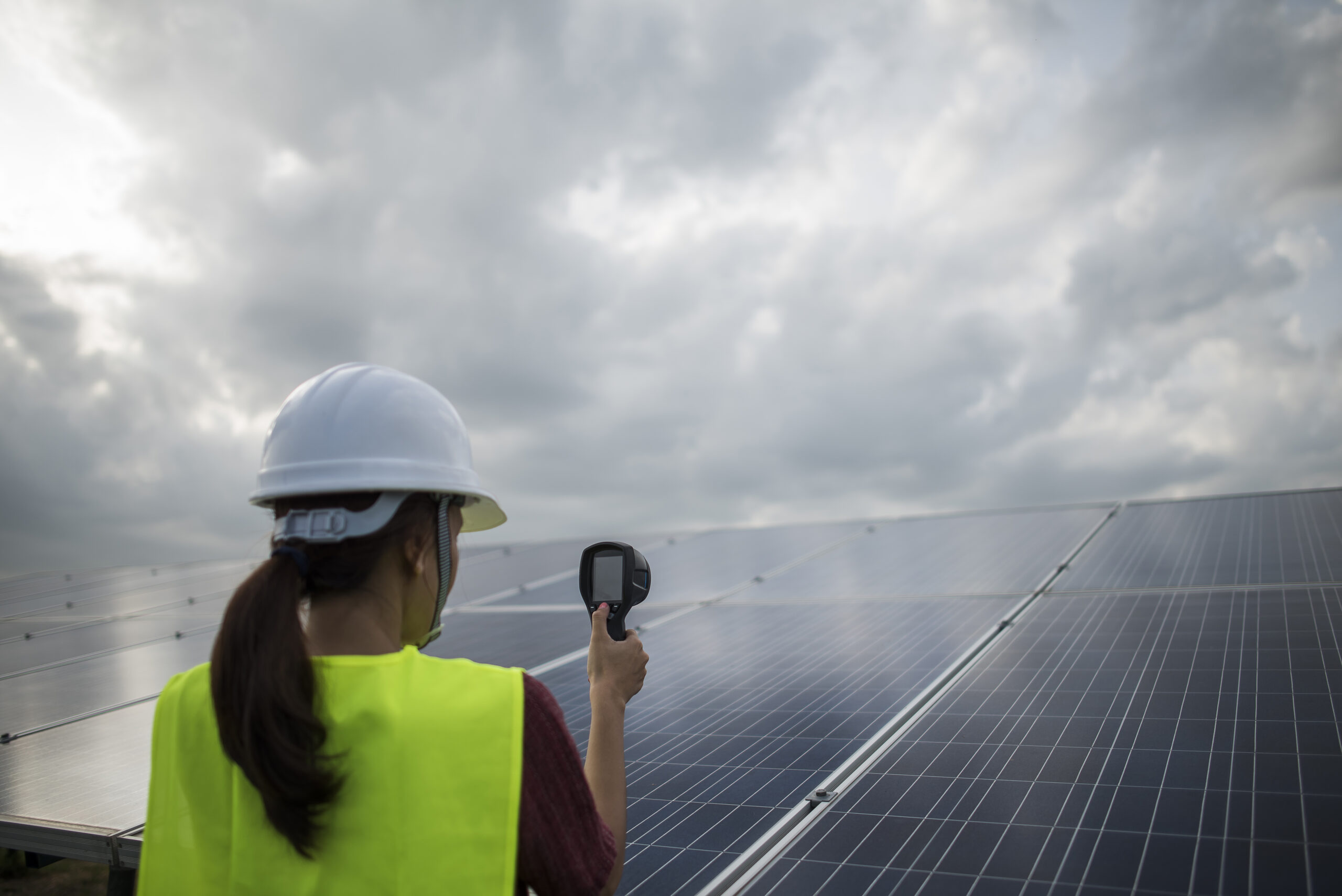
If you live in Kerala, you already know how unpredictable the weather can be. One day, the sun is shining brightly. The next, it is raining almost nonstop.
This is one of the reasons many people hesitate before installing solar panels. They wonder whether solar energy is really worth it in a state where cloudy skies, heavy rain and humidity are part of everyday life.
The good news is that solar panels can work well in Kerala. But, like any investment, getting good results depends on choosing the right system, installing it properly and taking care of it over time.
Let’s see how Kerala’s weather affects solar panels and what you should know before making the switch.
Does Rainy Weather Affect Solar Panels?
This is probably the first question that comes to mind, especially during the monsoon.
Solar panels work by converting sunlight into electricity. When thick clouds cover the sky, less sunlight reaches the panels, so electricity generation usually decreases. On days with heavy rain and dark clouds, the drop can be more noticeable.
But here’s something worth knowing: solar panels don’t stop working just because the sky is cloudy. They can still generate electricity from the sunlight that passes through the clouds, although the amount will be lower.
The real difference becomes clearer when you look at performance over an entire year rather than a few rainy days. A properly planned solar system takes changing weather conditions into account instead of assuming every day will be sunny.
Can Kerala’s Heat Reduce Solar Panel Efficiency?
You might think that hotter weather automatically means more electricity from solar panels. Surprisingly, that’s not always the case.
Solar panels need sunlight, not excessive heat. As their temperature rises, their efficiency generally decreases compared with their performance under standard test conditions.
This doesn’t mean Kerala’s warm climate is a problem. It simply means that installation matters. Panels need an appropriate mounting arrangement with enough space for air to circulate underneath them. Good equipment selection and proper installation can help manage the effects of heat.
So, when planning a solar system, don’t focus only on how much sunshine your roof receives. Consider how the panels will perform in the actual conditions they will face throughout the year.
Humidity and Coastal Weather: What Should You Know?
Living near the coast comes with its own set of challenges. The air can contain plenty of moisture, and areas exposed to sea air may also experience salt-related corrosion.
Solar panels are built for outdoor conditions, but they are only one part of the system. The mounting structure, wiring, connectors and inverter all need to be suitable for the environment in which they are installed.
This is where installation quality becomes important. Poorly protected connections or unsuitable materials can lead to avoidable problems over time.
If your home or business is close to the coast, ask your installer about corrosion-resistant mounting materials and suitable protection for electrical components. A little attention to these details at the beginning can help prevent headaches later.
Does Kerala’s Rain Keep Solar Panels Clean?
Rain can wash away some of the dust that collects on solar panels. That sounds helpful, and it is, but rain doesn’t do all the cleaning for you.
Bird droppings, stubborn dirt, leaves and other deposits can remain on the surface. Over time, these can block sunlight and affect electricity generation.
You don’t necessarily need to clean your panels every week. Instead, check them occasionally and arrange cleaning when you notice significant dirt or a drop in performance that could be related to the panel surface.
And please don’t take unnecessary risks climbing onto a roof to clean them yourself. If the panels are difficult to reach, professional cleaning is a safer choice.
Your Roof Matters More Than You Might Expect
Imagine installing solar panels only to discover that a nearby tree shades them for several hours every day. Even with good-quality panels, that shade can affect how much electricity your system produces.
That’s why a roof assessment should happen before installation, not after the panels are already in place.
The installer should consider the available roof space, sunlight exposure, shading from trees or nearby buildings, roof condition and the best arrangement for the panels.
These details might not seem exciting when you’re comparing solar quotes, but they can make a real difference to how well your system performs.
How Can You Get the Best Performance From Solar Panels?
You cannot change Kerala’s weather, but you can make a few smart decisions to get more from your solar installation.
Choose the right system: Your solar capacity should match your electricity consumption and the conditions at your property.
Check the roof before installation: Identify shading and other issues that could affect performance.
Keep the panels reasonably clean: Remove accumulated dirt when necessary, using safe cleaning methods.
Monitor electricity generation: Checking your system’s output regularly can help you spot unusual changes.
Don’t ignore maintenance: If performance drops unexpectedly or you notice an electrical issue, contact a qualified professional.
One more thing: bigger doesn’t always mean better. A solar system should be designed around your actual needs, available roof space and budget. The aim is to generate useful electricity and achieve sensible savings, not simply to install as many panels as possible.
Is Installing Solar Panels in Kerala Worth It?
For many households and businesses, solar energy can help reduce electricity bills and dependence on grid power. However, the savings will not be the same for everyone.
Your results depend on factors such as your electricity usage, system size, installation cost, available sunlight, electricity tariff and how much of the solar power you use.
That is why it is worth asking for realistic estimates before making a decision. A reliable installer should explain the expected generation, system cost and likely savings based on your property, rather than promising the same results to every customer.
If you’re searching for the best solar company in Kerala, look beyond the price. Pay attention to the quality of the equipment, the care taken during installation and the support you can expect after the system is running.
The Bottom Line
Kerala’s climate isn’t perfect for solar energy every single day. The monsoon brings cloudy skies, summer temperatures can affect panel efficiency, and humidity makes proper installation important.
But none of this means solar panels cannot work effectively here.
With the right equipment, a suitable rooftop arrangement and regular checks, solar energy can be a practical long-term option for many Kerala homes and businesses.
The important thing is to understand your property’s needs before investing. A well-planned system is much more useful than one chosen simply because it has the lowest price.
Thinking about going solar? You can explore rooftop solar installation services to understand the process and available options.