

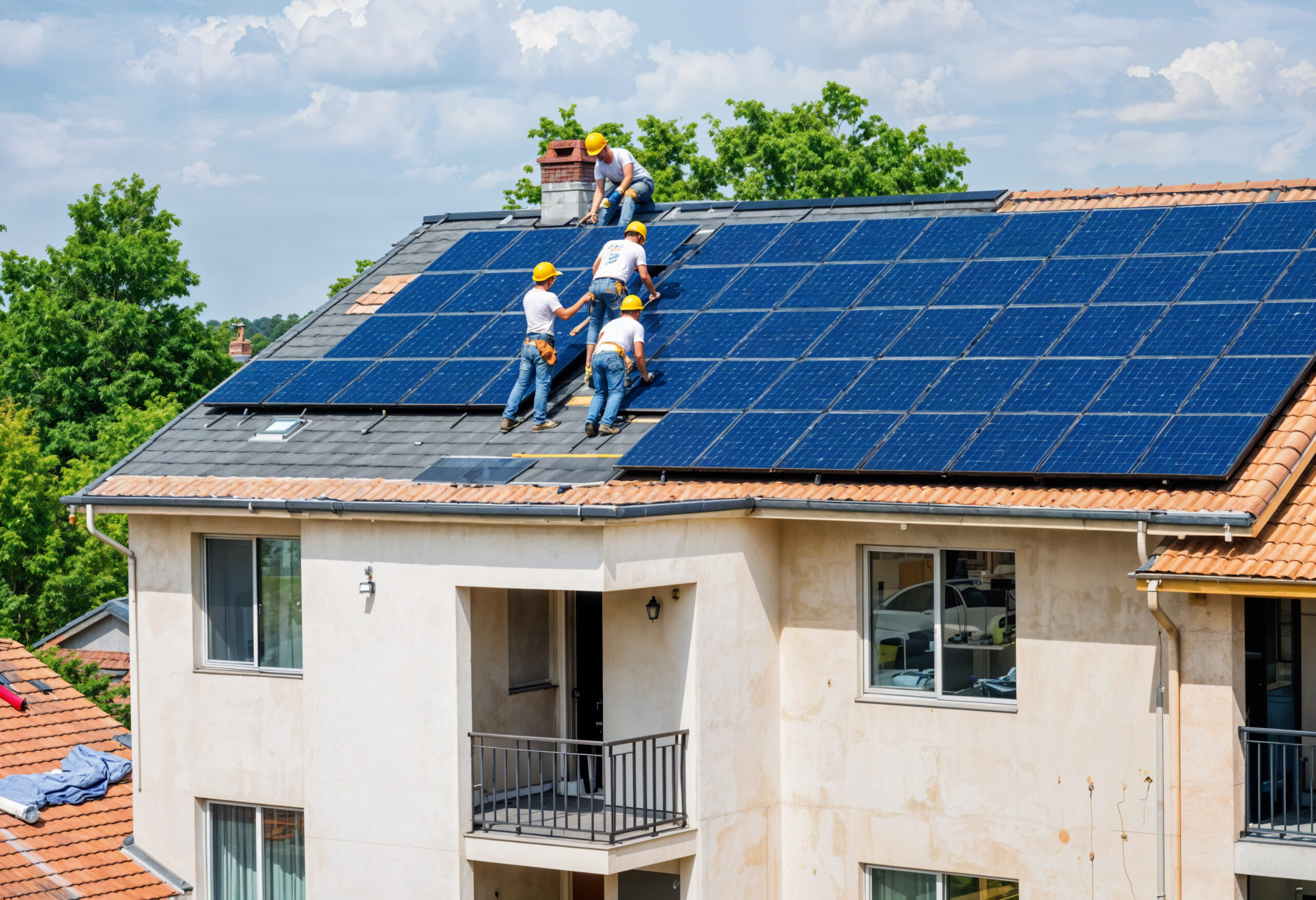
Buying solar panels isn’t something most of us do more than once or twice in our lives. It’s a fairly big investment, and naturally, we want to get it right. We compare prices, ask friends who have already installed solar, look at different panel brands, and try to understand how much we’ll save on electricity.
Once the installation is finished, we don’t usually think much about the panels. They’re up on the roof, doing their job, and that’s exactly how we want it to be.
But solar panels don’t always perform exactly the same way throughout their lifetime. A small, gradual reduction in output is normal as they age. Sometimes, though, the drop in performance can be more than expected.
There are several possible reasons for this, and one of them is called PID.
PID stands for Potential Induced Degradation. It’s a technical name for a problem that can develop inside certain solar panels and affect how much electricity they generate.
You may never come across this issue with your own solar system. Still, if you’re planning to install panels that should last for decades, it’s useful to know what PID means and why manufacturers pay attention to it.
What Happens Inside a Solar Panel When PID Develops?
A solar panel may look like a single piece of equipment, but inside it are many individual solar cells. These cells are responsible for turning sunlight into electricity.
They’re protected by layers of glass and other materials, so you can’t see everything that’s happening inside.
When a solar system is working, there can be a voltage difference between the solar cells and the grounded metal frame of the panel. That’s part of how electrical systems operate, and solar panels are designed to handle it.
The problem begins when certain electrical conditions cause unwanted leakage or changes within susceptible solar cells and the materials around them.
Over time, these changes can interfere with the cells’ ability to generate electricity.
That’s what happens with PID.
The panel doesn’t necessarily stop working. It may continue producing electricity, just not as much as it should.
And because the problem develops inside the panel, there may be nothing unusual to see from the outside.
You could have two panels sitting next to each other on the same roof. Both look clean and undamaged, but one might be producing less electricity because of internal degradation.
Why Would This Happen to Some Panels and Not Others?
This is where the quality and design of solar panels become important.
Not every solar panel is built in exactly the same way. Manufacturers use different cell technologies, protective materials, and production methods.
Some designs are naturally more resistant to PID than others.
The electrical arrangement of the solar system also makes a difference. Certain voltage conditions can increase the risk of PID in susceptible panels.
Weather plays a part too.
Solar panels spend years exposed to heat, rain, and humidity. In some cases, high temperatures and moisture can make PID more likely.
But that doesn’t mean a hot afternoon or a few rainy days will cause the problem.
PID develops under particular conditions, and many panels continue working for years without experiencing it.
It’s also why two houses in the same neighbourhood can have very different experiences with their solar systems, even when both receive roughly the same amount of sunlight.
Does Coimbatore’s Weather Make PID More Likely?
Coimbatore has plenty of sunny days, which is one of the reasons rooftop solar is an attractive option for many homes and businesses.
But the heat can be quite noticeable, especially on exposed terraces during summer.
Solar panels can become much hotter than the surrounding air when they’re sitting under strong sunlight.
They also experience rain and changes in humidity throughout the year.
For certain types of solar panels, these conditions can contribute to PID when the relevant electrical conditions are present.
That doesn’t mean installing solar in Coimbatore is risky. Solar panels are designed for outdoor use, and many modern models are tested to handle demanding conditions.
The practical takeaway is simply that the panel you choose matters.
It’s easy to get caught up comparing wattage and efficiency ratings. Those numbers tell you something about how much electricity a panel can produce under specified conditions.
But they don’t tell you everything about how well it will hold up over the years.
That’s why it’s worth asking about long-term performance and PID resistance when comparing solar panels.
What Would You Actually Notice If Your Panels Had PID?
Probably not much at first.
You wouldn’t necessarily see any damage on the panel. There might not be a warning message on your inverter either.
What you might notice is that your solar system isn’t generating as much electricity as it used to.
Let’s say you’ve had solar panels for four years. You know roughly how much electricity they generate during a sunny month.
Recently, the numbers have been lower, even though the weather seems fairly similar.
That might make you wonder whether something is wrong.
But PID shouldn’t be the first conclusion you jump to.
Dust can reduce generation. So can shade from a growing tree or a nearby building. An inverter fault, loose connection, or other electrical issue can also affect performance.
Even seasonal changes in sunlight make a difference.
If your system is generating less electricity, it’s worth checking the simpler explanations first.
And if the drop continues without an obvious reason, contact your solar installer.
A qualified technician can review the system’s performance and carry out tests to identify what’s happening.
PID is one possible explanation, but it takes proper diagnosis to confirm it.
Could PID Affect Your Electricity Savings?
Yes, if it reduces the amount of electricity your panels generate.
Think about a normal day at home.
The refrigerator is running, someone switches on the washing machine, and the fans are on because it’s warm outside.
If your solar panels are generating enough electricity, some of that demand can be met using solar power instead of electricity purchased from the grid.
But if the panels start producing less power, your home may need to draw more electricity from the grid.
That can reduce the savings you expected from your solar system.
The difference depends on how badly the panels are affected, how much electricity you use, and your billing arrangement.
A small reduction might not be noticeable. A larger one could make a meaningful difference over time.
This is why having a way to monitor solar generation is useful.
Many modern inverters come with apps that show how much electricity your system produces.
You don’t need to keep checking the app every day. But looking at your generation occasionally can help you notice changes before they become bigger problems.
Are Modern Solar Panels Better Protected Against PID?
In many cases, yes.
Solar panel manufacturers have made improvements in the materials and technologies they use.
Along with increasing efficiency, they’ve also worked on making panels more resistant to different types of degradation.
Many modern panels are designed with PID resistance in mind.
Manufacturers may test their panels under conditions that encourage PID to see how well they perform.
One recognised testing reference is IEC TS 62804.
You don’t need to remember the technical standard or understand the testing process.
If you’re speaking with a solar installer, you can simply ask whether the recommended panels have been tested for PID resistance.
It’s a reasonable question, especially when you’re buying equipment that you expect to use for twenty years or more.
You should also look at the manufacturer’s product and performance warranties.
The warranty won’t prevent a problem from happening, but it helps you understand what support may be available if something goes wrong.
What If PID Has Already Affected Your Solar Panels?
Finding out that your panels have PID doesn’t always mean the entire system needs to be replaced.
Some forms of PID can be partly or substantially reversed.
Depending on the panel technology and the nature of the problem, a qualified technician may recommend a compatible recovery method or manufacturer-approved anti-PID equipment.
But recovery isn’t possible in every case.
Some types of degradation can cause permanent damage, and replacing affected panels may be necessary.
This is why it’s important to have the problem properly diagnosed.
Trying to change the wiring or install recovery equipment yourself is dangerous. Solar panels can produce high electrical voltages whenever they’re exposed to light.
If your system is still under warranty, it’s best to contact your installer or manufacturer before making any changes.
A Few Things Worth Asking Before You Install Solar
When you’re getting solar quotations, most of the discussion will probably be about installation cost, panel capacity, and expected electricity generation.
Those are important things to understand.
But since the system is going to be on your roof for many years, it makes sense to ask about reliability too.
You don’t need a long checklist or complicated technical explanations. Just a few questions can help:
Have these panels been tested for PID resistance?
What kind of warranty does the manufacturer provide?
Is the inverter compatible with the panels?
Will I be able to check my electricity generation?
Who should I contact if the system starts underperforming?
The answers can help you understand what you’re paying for.
If you’re comparing solar rooftop panels near coimbatore, it’s worth having this conversation before choosing a system.
A panel that looks like a good deal today should also make sense as a long-term investment.
And while price matters, it shouldn’t be the only thing you consider.
Choosing Rooftop Solar with Zeesonic
Every house is a little different.
Some rooftops have plenty of open space. Others have water tanks, nearby trees, or neighbouring buildings that cast shadows during parts of the day.
The amount of electricity a household uses also varies.
That’s why choosing a solar system involves more than simply deciding how many panels will fit on the roof.
Zeesonic provides rooftop solar solutions for residential and commercial properties.
When planning an installation, it’s worth considering the quality of the panels, inverter compatibility, electrical safety, and long-term maintenance needs.
PID is only one of the things that can affect solar performance over time, but knowing about it helps homeowners make more informed decisions.
The aim is to choose a system that suits the property and continues meeting its electricity needs for years.
Frequently Asked Questions
1. What is PID in solar panels?
PID stands for Potential Induced Degradation. It’s a problem that can develop inside certain solar panels and reduce their electricity output over time.
2. Does PID happen to every solar panel?
No. PID affects susceptible panels under specific electrical and environmental conditions. Many modern panels are designed and tested to resist it.
3. Can hot weather cause PID?
Heat can contribute to some forms of PID, especially when combined with moisture and certain voltage conditions. Hot weather alone doesn’t necessarily cause PID.
4. How can I tell if my solar panels have PID?
An unexplained drop in electricity generation may be a sign, but it can also happen for other reasons. A qualified technician needs to investigate the cause.
5. Can solar panels recover from PID?
Some forms of PID may be reversible or partly recoverable. Others can cause permanent damage. It depends on the panel technology and type of degradation.
6. Should I ask about PID before installing solar panels?
Yes. Asking about PID resistance, warranties, and long-term performance can help you compare solar equipment more carefully.
Final Thoughts
Most people install solar panels because they want to save money on electricity and make better use of the space on their roof.
They don’t want to spend their weekends worrying about what’s happening inside the panels.
And they shouldn’t have to.
PID isn’t something every solar system will experience, and it’s not a reason to avoid rooftop solar.
It’s simply one of the things that can affect the performance of certain panels over time.
Knowing about it helps you understand why panel quality matters, why proper installation is important, and why it’s useful to check your electricity generation occasionally.
When you’re choosing solar panels, take a little time to look beyond the price and wattage.
Ask about the manufacturer’s testing, warranties, and the support available after installation.
Because once the panels are on your roof, what matters most is that they continue doing their job reliably, year after year.